Настоящее имя и литературная известность
Максим Горький родился в 1868 году под именем Алексей Максимович Пешков. Уже при жизни он приобрёл мировую известность, хотя оценки его творчества и политической позиции оставались противоречивыми.
Литература
Русский писатель и драматург, классик русской литературы, автор произведений в революционном духе.
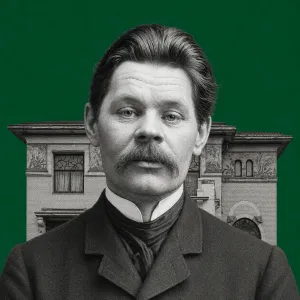
Максим Горький — литературный псевдоним Алексея Максимовича Пешкова, русского писателя, драматурга и публициста. Он начал с романтических новелл, рассказов и песен в прозе, а в 1901 году обратился к драматургии. На рубеже XIX и XX веков Горький получил известность как автор произведений в революционном духе. Он был близок к социал-демократам, но спорил с их лидерами, скептически отнёсся к Октябрьской революции и осуждал красный террор. После событий Кровавого воскресенья в январе 1905 года писателя заключили в Петропавловскую крепость.
Максим Горький родился в 1868 году под именем Алексей Максимович Пешков. Уже при жизни он приобрёл мировую известность, хотя оценки его творчества и политической позиции оставались противоречивыми.
В 1902–1921 годах Горький возглавлял три крупных издательства: «Знание», «Парус» и «Всемирная литература». В книгоиздательской деятельности он применял новаторские подходы.
В общей сложности Горький провёл за границей более 18 лет, в том числе 15 лет в Италии, но не овладел ни одним иностранным языком.
После событий Кровавого воскресенья в январе 1905 года Горького заключили в Петропавловскую крепость. После международных протестов его освободили 14 февраля 1905 года.
Каждое место в этом городе с документированной связью с этим человеком.
Создано здесь
He transformed observations of Nizhny Novgorod’s shelters and their residents into the setting and characters of “The Lower Depths.”
Создано здесь
His observations of the shelter and its inhabitants helped shape the setting and characters of The Lower Depths.
Создано здесь
He promoted the project and enlisted Chaliapin’s financial help in establishing the school.
Создано здесь
He produced numerous reports, feuilletons and stories for “Nizhegorodsky Listok” between 1896 and 1904.
Создано здесь
He initiated and publicly promoted the tea house and reading room for Millionka’s poor.
Жил здесь
He lived here intermittently from 1880 to 1884 while working for contractor Vasily Sergeyev.
Жил здесь
Gorky lived here in 1900–1901 and wrote several important literary works during the stay.
Жил здесь
Gorky lived here with his family from March 16 to May 7, 1898, before his arrest.
Увековечен здесь
Жил здесь
He lived here with his family and completed “Foma Gordeyev” during his rise to national fame.
Жил здесь
He lived here in 1900–1901 and wrote major revolutionary and dramatic works before his arrest.
Жил здесь
He lived and worked here from 1902 to 1904, completing “The Lower Depths” and developing several later works.
Создано здесь
His encounters with Millionka’s impoverished residents supplied material for his stories about tramps and for “The Lower Depths.”
Жил здесь
As a child servant, he lived here in 1879–1880 while working for the Porkhunov household and shoe business.
Создано здесь
He initiated the educational tea house and helped devise its program for the urban poor.
Создано здесь
He helped create a charitable Christmas celebration here and later drew on shopkeeper Yulia Bolotova’s story in “The Life of Klim Samgin.”
Эти адреса разбросаны по городу. Наши маршруты и квесты выстраивают их в удобный порядок.
