Literature
Alexander Pushkin
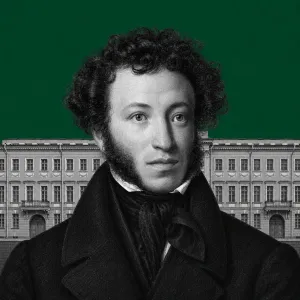
Addresses you can still visit
Every place in this city with a documented tie to this person.
Lived here
Pushkin Memorial Apartment on Arbat
He began married life here with Natalia Goncharova in 1831.
Commemorated here
Pushkin Museum of Fine Arts
The largest museum of European art in Moscow.
Commemorated here
Pushkinskaya Square and the Passion Monastery Site
His monument was moved across Tverskaya in 1950 and installed on the former monastery site.

Traces in other cities
- Saint Petersburg
- Alexandrinsky Theatre
- Saint Petersburg
- Bolshoi Kamenny Theatre — Passionate theatergoer; frequently attended opera and ballet at the Bolshoi Kamenny Theatre on Theatre Square (site of today’s Conservatory).
- Saint Petersburg
- Bronze Horseman — Wrote the narrative poem The Bronze Horseman (1833), the defining literary work about Falconet’s monument and the Petersburg flood myth.
- Tbilisi
- Chreli Abano — Pushkin’s 1829 experience at the bath informed his description of Tiflis bathing in Journey to Arzrum.
- Kazan
- Former Kazan Cloth Manufactory Building — Pushkin examined the old factory buildings in 1833 while researching the social background of the Kazan uprising.
- Kislovodsk
- Kislovodsk Fortress Museum — Pushkin stayed in the Kislovodsk fortress during his visit to the Caucasian waters in 1820.
- Kislovodsk
- Lermontov Platform and the Government Restaurant Site — Pushkin stayed in the government restaurant and hotel that formerly occupied this site.
- Vilnius
- Markučiai Manor — His posthumous family legacy formed the basis of the literary museum established at the estate.
- Saint Petersburg
- Pushkin House
- Nizhny Novgorod
- Pushkin State Academic Opera and Ballet Theatre
- Kazan
- Pushkin Street
- Kislovodsk
- Rebrov House — Pushkin was among the prominent visitors who stayed at Rebrov’s Kislovodsk estate.
- Kazan
- Sharnaya Hill (Third Hill) — He inspected Sharnaya Hill in 1833 while gathering material used in his History of Pugachev.
- Kazan
- Site of the Gorlov Tavern — He recorded Vasily Babin’s account of the 1774 fighting during a meeting in the Gorlov Tavern.
- Kazan
- Sukonnaya Sloboda (Cloth Settlement) — He interviewed a former cloth worker here and used the resulting notes in his account of the siege.
- Saint Petersburg
- Summer Garden — Daily haunt while living nearby; wrote to his wife that the Summer Garden was his ‘ogorod’ — morning walks in a dressing gown, afternoon naps and writing there (esp. summer 1834).
- Kazan
- Troitskaya Mill Camp Site — He visited the former camp site in 1833 while preparing his historical account of the rebellion.
- Saint Petersburg
- Winter Palace — As kamer-junker (from 1834) was obliged to attend court ceremonies and balls at the Winter Palace; documented friction with court service.
Follow the story on foot
These addresses are scattered across the city. Our routes and quests put them in an order that works.