Museum
The Haruki Murakami Library
- Mon
- 10:00–17:00
- Tue
- 10:00–17:00
- Wed
- Closed
- Thu
- 10:00–17:00
- Fri
- 10:00–17:00
- Sat
- 10:00–17:00
- Sun
- 10:00–17:00
- Hours
- Hours may change during university events and on other designated days.
- How to visit
- Admission is free; groups of up to 20 people may visit without advance reservation. Photography is permitted, but video recording and close-ups of books are not; there is no parking, so public transportation is recommended.
- Hours
- Free entry
- Hours
- About 60 min
Why it is worth the detour
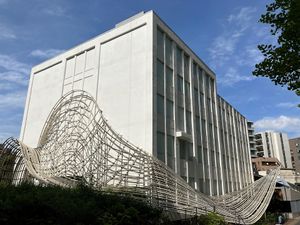
Waseda University transformed one of its campus buildings into a home for Haruki Murakami's manuscripts, translations, records and literary archive. Visitors encounter a recreation of his study and the grand piano once used at Peter Cat, the jazz café he ran before becoming a novelist.
The Haruki Murakami Library at Waseda University houses manuscripts, translations, and a recreation of Murakami's study, offering a unique glimpse into the author's world. It also features the grand piano from Peter Cat, the jazz café he ran before becoming a novelist.
The people behind this address
Documented connections, not celebrity trivia.
Haruki Murakami
Murakami attended Waseda University, which now houses materials he donated or deposited from his literary and musical life.
Kengo Kuma
Kuma led the architectural transformation of the university building into the international literary center.


What else is close by
The nearest places we have written up, with straight-line distance from here.
2.2 km
Shinjuku Golden Gai
This maze of tiny two-story bars began with postwar black-market traders and later became an unlicensed red-light district. After prostitution was outlawed in 1958, its cramped rooms became refuges for writers, filmmakers and theater people; regulars Kenji Nakagami and Ryuzo Saki won the Akutagawa and Naoki prizes simultaneously in 1976, sealing the district's bohemian reputation.
2.2 km
Hanazono Shrine
In the summer of 1967, Juro Kara's Situation Theatre erected its first Red Tent in the shrine precincts, rejecting conventional playhouses for a temporary, carnivalesque stage. The performances made this working shrine one of the foundational locations of Japan's angura theater movement, and Red Tent productions have continued to return.
2.3 km
Kabukicho
Japan's largest entertainment district, named after a kabuki theatre that was never built; the Godzilla head looks down from the Toho building.
2.6 km
Omoide Yokocho
«Memory Lane» by Shinjuku's west exit: two alleys of tiny yakitori counters left over from the post-war black market.
2.7 km
Koishikawa Korakuen Gardens
One of Tokyo's oldest daimyo gardens combines Japanese scenery with Chinese literary and landscape references favored by the Mito Tokugawa family.


Walk it with the stories
This address is one stop among many. Our routes and quests link them into a walk that makes sense on the ground.