Tokio
В дождь
Токио под дождём живёт нормально, зонт продаётся в любом комбини. Под крышу: четыре музея — Национальный в Уэно, Корбюзье с Роденом, гравюры Ота на месяц и Нэдзу за бамбуком; teamLab босиком по воде; Гибли — если билет куплен заранее; храм Цукидзи с органом; этажи Акихабары; мэрия со смотровой под крышей; спектакль в Кабуки-дза или ракуго в Суэхиротэй. Предупреждение: музеи Уэно по понедельникам обычно закрыты — проверь.
Museum
Tokyo National Museum
Japan's oldest and largest museum (1872): samurai swords, Buddhist sculpture, kimono and the Horyu-ji treasures.
Museum
National Museum of Western Art
Le Corbusier's only building in East Asia (1959, UNESCO), built around the Matsukata collection of Monet and Rodin.
Museum
Ōta Memorial Museum of Art
A museum showcasing rotating exhibitions of Ukiyo-e from a collection of over 12,000 pieces.
Museum
Nezu Museum
Home to a vast collection of pre-modern Japanese and East Asian art, including National Treasures.
Unterhaltung
teamLab Planets
A barefoot digital-art museum in Toyosu where visitors wade through knee-deep water among projected koi.
Museum
Ghibli Museum
Hayao Miyazaki's museum in Inokashira Park with a rooftop robot soldier, a Catbus for children and a short film shown nowhere else.
Kirche
Tsukiji Honganji Temple
Chuta Ito's 1934 temple blends Buddhist functions with an extraordinary facade inspired by ancient Indian architecture.
Straßen & Viertel
Akihabara Electric Town
From a post-war radio-parts black market to the world capital of electronics, anime, manga and maid cafés.
Aussicht
Tokyo Metropolitan Government Building
Kenzo Tange's twin-towered city hall combines monumental late-modern architecture with free observatories overlooking the metropolis.
Theater & Kultur
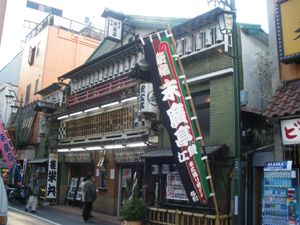
Shinjuku Suehirotei
This wooden rakugo theater became an unlikely angura venue in September 1967, when Shuji Terayama's Tenjo Sajiki presented its second production, "The Crime of Fatso Oyama," here. The collision of psychedelic experimental theater with a traditional vaudeville house captures the cultural disorder that made 1960s Shinjuku distinctive.
Verkehrsbauwerk
Former Hakubutsukan-Dobutsuen Station
This unexpectedly grand little station opened in 1933 on former Imperial land to serve Ueno Zoo and the museums. Falling passenger numbers ended service in 1997, but its Western-style entrance survived closure and redevelopment as a sealed architectural ghost beside Ueno Park, occasionally opened for special programs.
Museum
Edo-Tokyo Museum
Its dramatic elevated building and full-scale reconstructions explain how the shogun's city became the modern capital.
Museum
Fukagawa Edo Museum
A life-size reconstruction here restores the canal-side Fukagawa-Saga neighborhood of the 1830s and 1840s, complete with row houses, shops, shipping agents, a firebreak, and a water taxi. Changing light and sound make the vanished district pass through an entire day, revealing how thoroughly water transport once shaped ordinary Tokyo life.
Museum
Sumida Hokusai Museum
Kazuyo Sejima's aluminium-clad museum in the district where Hokusai was born and moved house more than 90 times.
Kuriosität
Nakano Broadway
A 1966 shopping complex that became the collectors' mecca: Mandarake floors of manga, figures, watches and vintage toys.
Straßen & Viertel
Jimbocho Book Town
About 130 second-hand bookshops in one quarter, the largest concentration in the world, grown around the universities since the 1880s.
Museum
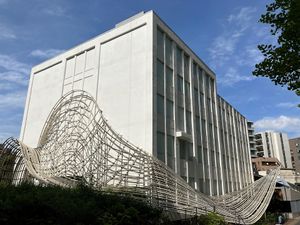
The Haruki Murakami Library
Waseda University transformed one of its campus buildings into a home for Haruki Murakami's manuscripts, translations, records and literary archive. Visitors encounter a recreation of his study and the grand piano once used at Peter Cat, the jazz café he ran before becoming a novelist.