Tokyo
Музеи
Семь музеев с историей: Национальный, который начинался с чучел; Корбюзье, построенный как выкуп за коллекцию; гравюры, которые меняют каждый месяц; Нэдзу за бамбуком; teamLab босиком; Гибли по билетам за месяц; и станция-призрак, которую художники превратили в выставку. Понедельник — почти везде выходной, проверь. Ещё семь: Фукагава-Эдо с кварталом в натуральную величину, музей зданий под открытым небом, Эдо-Токио на опорах высотой с башню замка, Хокусай у места его рождения, дома Мори Огая и Хигути Итиё и библиотека Мураками в Васэде.
Museo
Tokyo National Museum
Japan's oldest and largest museum (1872): samurai swords, Buddhist sculpture, kimono and the Horyu-ji treasures.
Museo
National Museum of Western Art
Le Corbusier's only building in East Asia (1959, UNESCO), built around the Matsukata collection of Monet and Rodin.
Museo
Ōta Memorial Museum of Art
A museum showcasing rotating exhibitions of Ukiyo-e from a collection of over 12,000 pieces.
Museo
Nezu Museum
Home to a vast collection of pre-modern Japanese and East Asian art, including National Treasures.
Divertimento
teamLab Planets
A barefoot digital-art museum in Toyosu where visitors wade through knee-deep water among projected koi.
Museo
Ghibli Museum
Hayao Miyazaki's museum in Inokashira Park with a rooftop robot soldier, a Catbus for children and a short film shown nowhere else.
Luogo dei trasporti
Former Hakubutsukan-Dobutsuen Station
This unexpectedly grand little station opened in 1933 on former Imperial land to serve Ueno Zoo and the museums. Falling passenger numbers ended service in 1997, but its Western-style entrance survived closure and redevelopment as a sealed architectural ghost beside Ueno Park, occasionally opened for special programs.
Museo
Fukagawa Edo Museum
A life-size reconstruction here restores the canal-side Fukagawa-Saga neighborhood of the 1830s and 1840s, complete with row houses, shops, shipping agents, a firebreak, and a water taxi. Changing light and sound make the vanished district pass through an entire day, revealing how thoroughly water transport once shaped ordinary Tokyo life.
Museo
Edo-Tokyo Open-Air Architectural Museum
Tokyo buildings that could not survive at their original addresses were dismantled and reassembled here instead of being lost to fires, earthquakes, war, and redevelopment. Its reconstructed streets place a bathhouse, bar, stationery shop, police box, homes, and workshops together like refugees from several erased versions of the city.
Museo
Edo-Tokyo Museum
Its dramatic elevated building and full-scale reconstructions explain how the shogun's city became the modern capital.
Museo
Sumida Hokusai Museum
Kazuyo Sejima's aluminium-clad museum in the district where Hokusai was born and moved house more than 90 times.
Museo
Mori Ogai Memorial Museum
The museum occupies Kanchoro, the former home where Mori Ogai spent three decades and wrote works including The Wild Geese and The Boat on the Takase River. Ogai also held poetry gatherings here that attempted to bridge rival literary groups, attracting figures such as Akiko Yosano, Takuboku Ishikawa and Mokichi Saito.
Museo
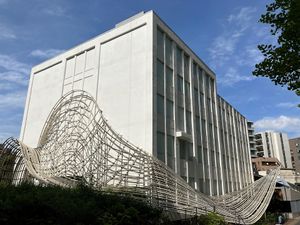
The Haruki Murakami Library
Waseda University transformed one of its campus buildings into a home for Haruki Murakami's manuscripts, translations, records and literary archive. Visitors encounter a recreation of his study and the grand piano once used at Peter Cat, the jazz café he ran before becoming a novelist.
Museo
Ichiyo Memorial Museum
The museum preserves Ichiyo’s draft of “Takekurabe,” her shop ledger and a model reconstructing the neighborhood beside Yoshiwara. The model makes the vanished landscape unusually legible: her tenement faced toward the quarter’s ditch, walls and emergency gate.