Monument
Como War Memorial
Lake Como usually gets the soft-focus treatment: water, mountains, palaces. Then, on Via Giancarlo Puecher, a war memorial interrupts the postcard and changes the mood.

Why it is worth the detour
A hidden gem memorial in the city of Como.
The Como War Memorial is a lesser-known monument located in the Vico district of Como. It serves as a poignant reminder of the city's historical past.
The people behind this address
Documented connections, not celebrity trivia.
Giuseppe Terragni
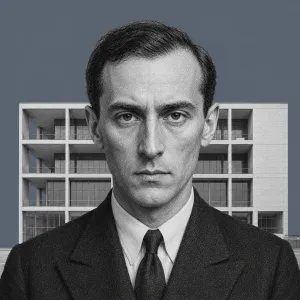
Giuseppe Terragni pioneered Italian Rationalism and designed major works of modern architecture in Como, including the Casa del Fascio.
Fabio Casartelli
Fabio Casartelli is commemorated at the War memorial in Como.

What else is close by
The nearest places we have written up, with straight-line distance from here.
100 m
Canottieri Lario Clubhouse
Antonietta Sinigaglia commemorated her champion-rower son Giuseppe not with a statue, but with a clubhouse built on Como’s reclaimed shore—reportedly in just seven months.
150 m
Tempio Voltiano
Lake Como fills the backdrop; on the shore, a Neoclassical temple gives full ceremonial treatment to a physicist and his battery. No saint, no emperor—just Como-born Alessandro Volta.
200 m
Novocomum
The scaffolding comes down, and Como realizes the conservative building approved on paper has become something radically avant-garde. The city has been architecturally catfished.
250 m
Monument to the European Resistance
You’re on Lungolago Mafalda di Savoia, firmly in Como—then the monument’s four-word Italian title suddenly expands the map to Europe.
300 m
Casa Giuliani-Frigerio
Drawings and detailed instructions are being sent from military training to Como. Giuseppe Terragni is serving in the Italian army, yet the building in front of you is still taking shape — architecture conducted at a distance.
400 m
Bruno Pessina Workers’ Houses and Factory Chimney
The chimney gives the game away. This stretch of Borgo Vico now blends into the city, but the brick survivor above you belonged to a silk works that employed as many as 160 people in the 1930s.


Walk it with the stories
This address is one stop among many. Our routes and quests link them into a walk that makes sense on the ground.