Church
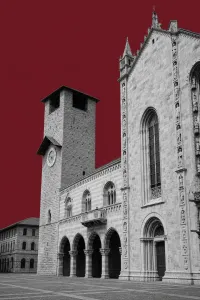
Como Cathedral
No battery, no grand experiment: according to local tradition, the elderly Alessandro Volta came here for Mass each day. Inside, a floor plaque marks the place associated with that quiet routine.
.jpg?width=1600)
Why it is worth the detour
A floor plaque commemorates an easily forgotten side of Volta: according to tradition, the elderly scientist attended Mass here every day. It was installed in 1999 for the bicentenary of the battery.
Como Cathedral is the Catholic cathedral of Como, dedicated to the Assumption of the Blessed Virgin Mary. It is a hidden gem known for its historical significance and architectural beauty.
The people behind this address
Documented connections, not celebrity trivia.
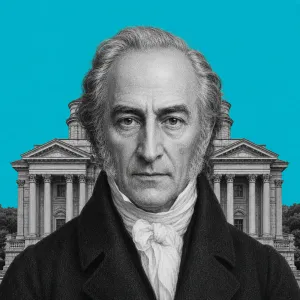
Alessandro Volta
According to the commemorative inscription, the elderly scientist regularly worshipped from this spot.
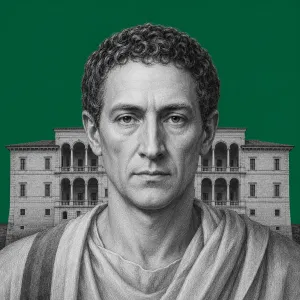
Pliny the Younger
Статуя Плиния Младшего (вместе с Плинием Старшим) на фасаде собора — редчайший случай язычников на фасаде католического храма.
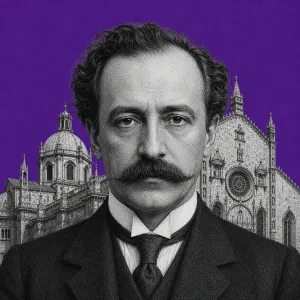
Marco Enrico Bossi
Маэстро ди капелла и органист собора (1881–1890); заказал для собора два новых органа фирмы Bernasconi.
What else is close by
The nearest places we have written up, with straight-line distance from here.
50 m
Broletto
A bell rings over medieval Como, citizens converge on the square, and civic power plants itself between cathedral and bishop’s palace. Then factional conflict brings fire—and the expanding cathedral claims part of what survives.
50 m
Torre Pantera
In medieval Como, a clan’s tower could be forcibly shortened. In 1292, that happened to the Rusconi tower beneath Torre Pantera.
100 m
Church of San Giacomo
The Vittani and Rusconi are fighting, and San Giacomo’s porch takes the blow. Then decay and remodeling do what the feud could not: turn a vast Romanesque church into the compact fragment in front of you.
100 m
Teatro Sociale
It is 1944. Milan’s La Scala has been damaged in the war, and Como’s former cinema is handed an extraordinary role: alternative opera house.
150 m
Church of San Provino
September 22, 1794: Alessandro Volta, a scientific celebrity at home in Europe’s salons, came to this small church to marry Teresa Peregrini. The setting was strikingly understated; the bride, his letters make clear, was anything but a footnote.
200 m
Palazzo Terragni (Casa del Fascio)
It is 1945, and the political order behind this building has collapsed. The former Fascist Party office now has new occupants: parties of the National Liberation Committee. The walls have not moved; Italian politics has.


Walk it with the stories
This address is one stop among many. Our routes and quests link them into a walk that makes sense on the ground.